Search This Blog


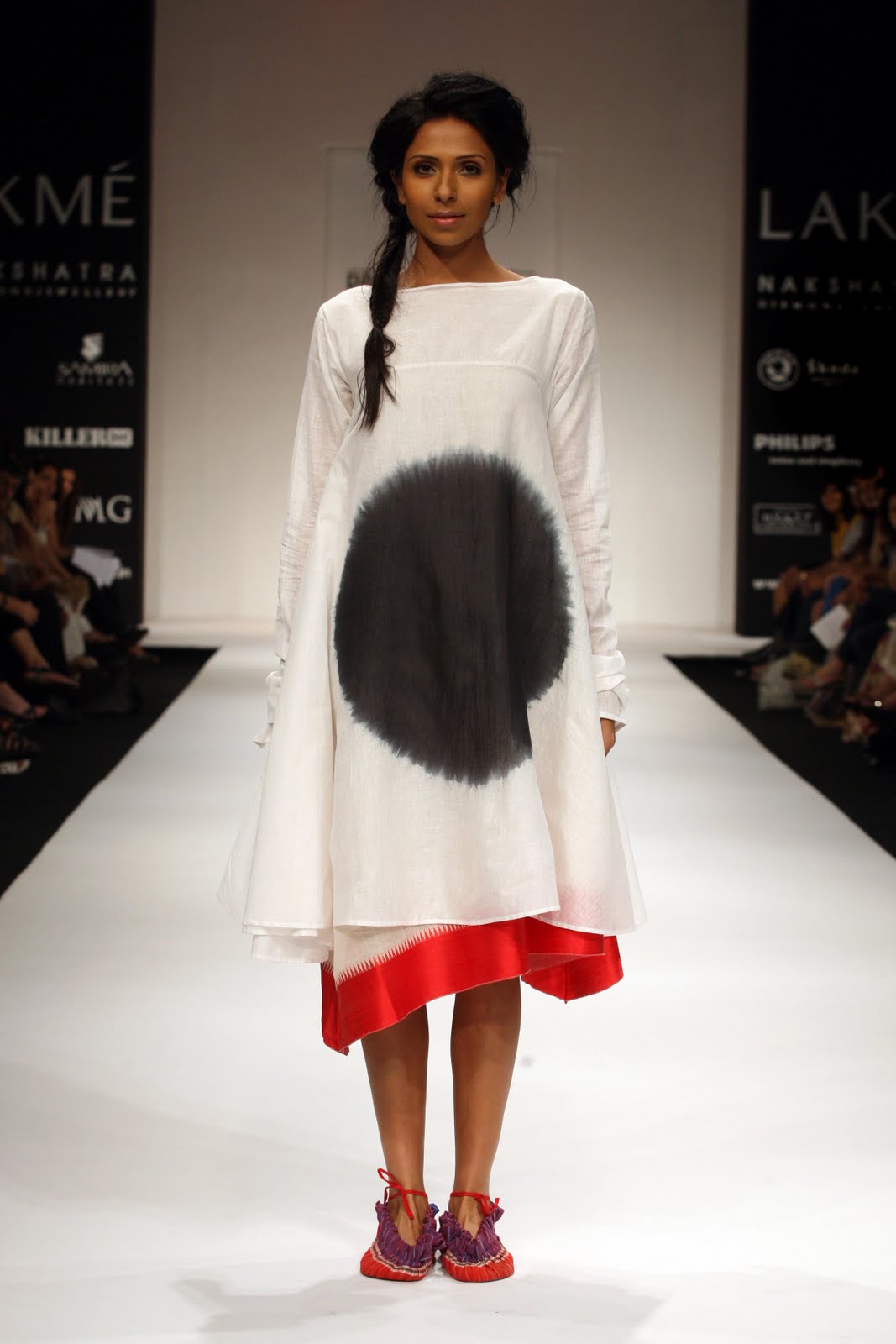
“BORO” – Autumn / Winter 2013

14th March 2013


AT WILLS LIFESTYLE INDIA FASHION WEEK


Loosely based on the concept of “BORO”, mended or patched textiles used as items of clothing in Japan by the peasants, merchants or artisans. Boro was born out of the forgotten values of “mottainaia” or “too good to waste, an idea lacking in the modern consumer lifestyle. Sewn together over generations, family sagas were woven through the threads.


The Fall/winter 2013 is a patchwork of stories with a distinct ethnic-contemporary look rooted in India and based on visual references from the Boro-Boro , mended and patched textiles of Japan, the Kimono, the fine weaves of the Dhakai Jamdani / muslin from Bengal, the textures of Malkha cotton and Khadi from the Gudi-Mudi project of Central India. s


The collection takes the path of a traveler who brings back various items of clothing from the different regions she has traveled, accumulating memories along the way. The ensembles borrow from cultures in and around India though not hinting at any in particular. Nothing overtly traditional, the aesthetics is “arty” with each ensemble being interpreted differently with each layer; perfect for a well-travelled audience.


More details :

The first story uses handspun, hand-woven and naturally dyed fabrics from the Gudi-mudi Khadi project of Central India under Womenweave where women are trained and provided a sustainable employment. In monochromes of Black – Kora / offwhite and shades of grey it brings back silhouettes like the Kimono and the Kosode which is an essential part of a Japanese peasant and working-class wardrobe. The textures of these fabrics are in monochromes of Kora-grey-black, almost reminiscent of “scribbling” or “doodling” on paper.


The second story uses Malkha khadi and textures in colours of Indigo, Browns and black with green / “taxi yellow”  as an accent , it brings back the almost forgotten technique of “French knot” embroidery in wool. The almost masculine pin-stripes are used in silhouettes like the jacket-dress, shirt dresses, achkans, loose flowing kurtas, kaftans and capes.


The third story uses Dhakai jamdani textiles from around West Bengal with its delicate multi-colour placement butas that add the accent colours to the collection in shapes like the quintessential Indian kurta, shirt dresses, tunics and stoles. The silk scarves in this story are inspired from archival textiles from different regions in India.


The print story uses motifs from the Indonesian batik vocabulary and is shaped into kallidar kurtas and shift dresses.


Footnote :

The BORO concept of mending and patching up old items of clothing and making it last for years is almost reminiscent of the “Sujni Kantha” technique in India (especially around Bengal / Bihar ). Nowadays “kantha” is used as a decorative and commercial piece (only/ usually) while originally it was meant to function as so much more ….Meaning rags, it used the most simplest of stitches – the running stitch to join / patch old layers of sarees and make quilts etc, mainly functional and born out of necessity.

This collection takes off from BORO but leads you to newer roads! 


 HAAT / The Marketplace

Spring/Summer 2012
Lakme Fashion Week, Mumbai 
March 2012


HAAT / The market place is a compilation of stories that make us feel Indian; This collection celebrates India as the land of irony, of contrasts and contradictions. Through textiles and garments, this collection attempts to evoke all things that make us feel proud of being an Indian.


We all like our luxury, our fast cars, good food and wine but we still go back to loving kulhar-ki-chai and the smell of wet earth during the rains. We might live in the fanciest of plush homes but we end up vacationing in “heritage villas” with our cycle or camel rides to experience a slice of the past, of eras gone-by and of things we dearly miss but fail to express.


Inspired by what people wear on the streets, uninhibited and untutored by mainstream fashion, this collection is a collage of visual references from our daily life. The fabrics range from our very familiar Indian cotton, with its fine weaves to coarser Khadi handlooms in stitched resist and tie-dyed techniques. Ikats from Orissa, where the yarn is dyed at the pre-weaving stage, to finer Chanderi, Matka silks, Madras checks are fashioned into Indo-western silhouettes like the Kurta, Peplum summer jackets, to ghera skirts, pajama pants and layered tunics. They spell comfort clothing for the truly global Indian who is at ease anywhere in the world. The prints are placement hand-blocks inspired by the 16th century “chint” motifs from India that traveled to distant lands during the spice trade. The enchanting “Tree of life” symbolic of India as the land of plenty, finds its way through placement block-printing on capes, skirts and kurtas. Embroidery is sparingly used in the shape of delicate buds and bel-buta.


The silhouettes are a mix of elements from different cultures and hold an essence that is Indian in its core. Attempting menswear for the first time, the ensembles in shades of white, kora to warmer colours like sunflower yellow, oranges, reds and rust together with grey, black, blue with the occasional greens are a mix of Indo-western styles, perfect for either a Pan-Indian or a pan – Asian context.


Somewhere along this story-telling, the message seems to float: Come home to India. 


                       The LFW show : HAAT / The Marketplace Spring Summer 2012


DESIGNER PROFILE


Paromita Banerjee’s initiation into the creative arts has been inspired by her passion for photography and essentially from “just looking around.” Her label “Paromita Banerjee” is inspired by the feel of handloom fabrics and her garments emphasize feel of the “hand-made”. She is a graduate of the prestigious design school, the National Institute of Design, Ahmedabad, India and has been awarded a scholarship to Konstfack University of Art and Culture in Stockholm.

She has undertaken numerous craft research projects in and around India - the major one being in Himachal Pradesh for the textile encyclopedia “Handmade in India” an initiation of DCH in collaboration with NID. These experiences have gone on to add to her knowledge bank, making her designs more ‘rooted’ and grounded. She was the sole designer to represent India at the Shanghai chapter of the World Fashion Organization, under the United Nations at a summit and fashion show to promote “Fashion for development and peace” in October 2010.

The brand works closely with artisan and craft clusters around India narrating the saga of the craft persons to recreate drapes and outfits that define the aesthetic beauty of textiles. Inspired by the local dressing styles of people of various regions, it is a mode of storytelling and each ensemble tells a tale, rich in imagery and culture.

The brand is a Registered Designer Member of the prestigious Fashion Design Council of India (FDCI). At her Lakme Fashion Week ramp debut in 2009, Marie Claire magazine heralded her as the most promising new-comer for that season. Verve magazine in 2011 claimed her to be one of the faces to watch out for, from the fashion circuit amongst actresses, directors and musicians. For the second consecutive year of the Grazia Young Fashion Awards (2012), she has been awarded in the “Indi-Cool” category in their Anniversary April Issue; last year she had won it in the “Green Thimble” category for eco-friendly fashion. Last year in 2012 she was one of the five finalists for the British Council, Young Creative Entrepreneur Award in Design for Social Impact.

 The label “Paromita Banerjee” retails from various boutiques around India from Ahmedabad, Bangalore, Chennai, Delhi, Hyderabad, Mumbai, and hometown Kolkata and her clients include industrialists, member of parliaments and those in the performing arts amongst others. Also available overseas through select agents. Her commissioned work for reputed artists for their performances has been lauded all across.

This year 2013 marks the brand’s debut ramp show at Wills Lifestyle Fashion Week under the FDCI.

KEY LOOKS : summer/resort 2010


for collection details and runway images, go to :
Tab : PAROMITA BANERJEE summer/resort 2010 

LAKME FASHION WEEK Summer/ Resort 2010


“THE LAAL PAAR AND OTHER STORIES” is a collection of ‘stories’ with distinct contrasts and differences; the hint of a ‘laal-paar’ (the traditional hand-woven red border saree of Bengal)running throughout the collection is what weaves the story of mulmuls,Khadi,handloom silks, tassars, chanderi, gaamchas, mix and match prints and ‘gheras’..........gheras of angarakhas from Mughal times to jackets with a hint of Japan; from kaftans to layered skirts and kallidar kurtas with the fan folding of a dhoti; to embroidered shawl drapes with woven borders worn with pajamas or dresses .....The collection borrows from cultures in and around India though not hinting at any in particular. Nothing overtly traditional, the aesthetics is “arty” with each ensemble being interpreted differently with each layer. The placement embroidery appears just where it is least expected; from a mix of delicate florals to bird outlines...and
don’t miss the rooster!!

FOOTNOTE:
Hint of a “laal paar”, hint of a saree drape ...a rickshaw ghanti, a jacket made of “sasta” /cheap marking fabric, gaamchas....are merely suggestions; suggestions to an otherwise highly fashionable surrounding - these add a touch of rusticity to an otherwise glam world. Maybe it’s my attempt to de-glam fashion and add a bit of rustic elegance without trying too hard
 

"THE LAAL PAAR AND OTHER STORIES" 
 offwhite/red/black story 
PBSS010/01
PBSR010/03

 PBSR010/02

  PBSR010/04

  PBSR010/04
PBSR010/09
"THE LAAL PAAR AND OTHER STORIES"
print story
 
PBSR010/07A

PBSR010/08A


PBSR010/010A

PBSR010/010A
PBSR010/016

PBSR010/011A


PBSR010/015A

"THE LAAL PAAR AND OTHER STORIES"
drape story
PBSR010/013C

 
PBSR010/017
PBSR010/019

    PBSR010/019


A SERIES CALLED CYCLES

These images are from my "Series of cycle" series....
taken at various times and places over the past couple of years, from Stockholm to Ahmedabad to Denmark ..the series had started off with having a single constraint...that of having a single cycle in a given frame..but gradually moved onto a "series" of them...and hence the name.

taken by my "ancient" camera ! Sony dsc P-72....but the idea was to "capture"....
here they are.

A SERIES OF CYCLES


LAKME FASHION WEEK spring/summer 2010

SAFED RANG
spring/summer 2010

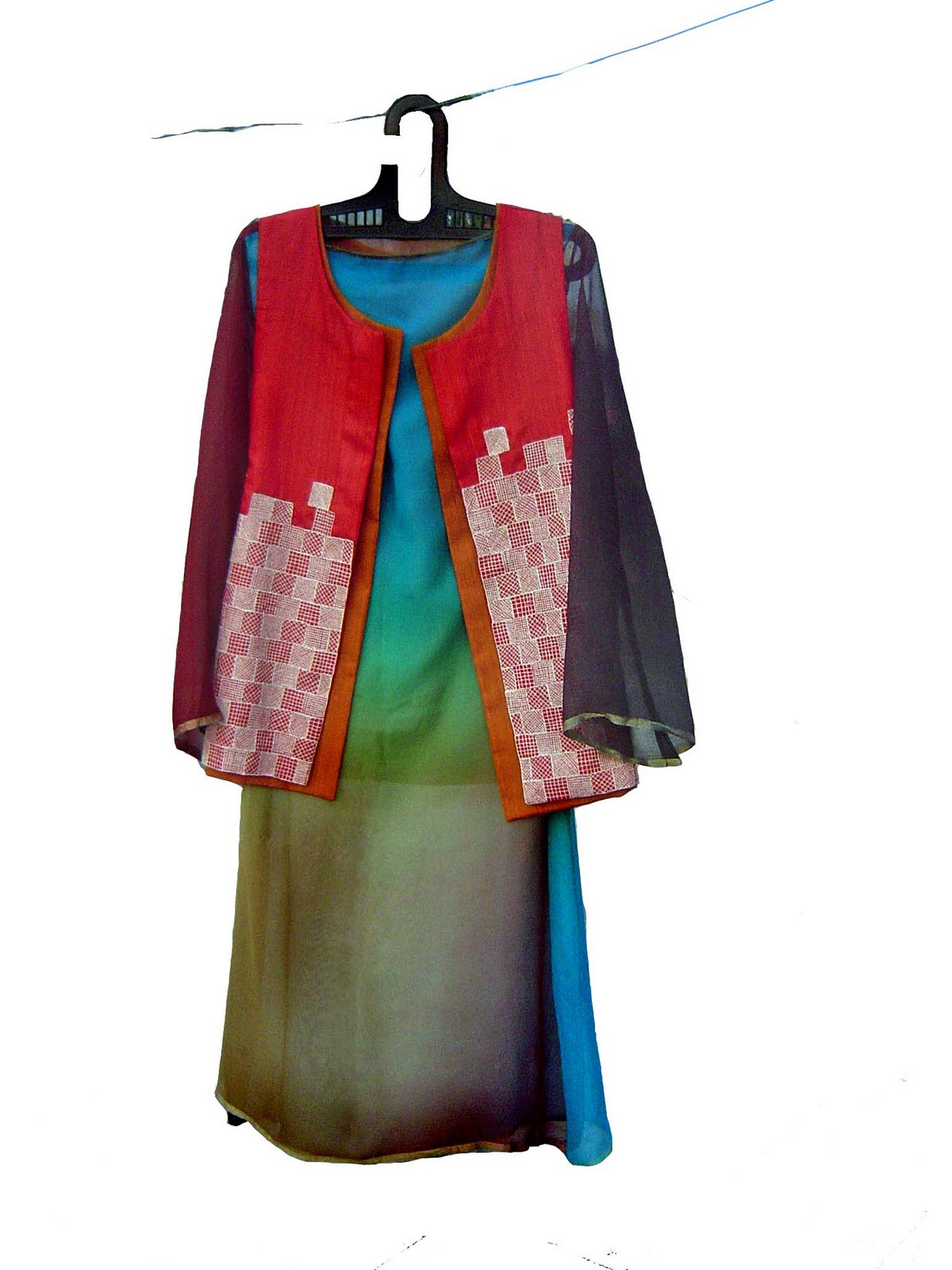
In "Safed Rang,” I began with monochromes. The leaf motif running across the collection was inspired by a look at a herbarium, which also made me feel like making the forms more chromatic. The collection comprises of whites leading to off-whites, with colours being thrown in gradual progression around the middle, on the background of Koras, Mulmuls, and handloom Tangails. The build up takes its own course but eventually goes back to the whites. This is a collection of distinct contrasts and transparencies, the motif base being derived from sketch pad doodles and foliage. The placement embroideries appear just where they are least expected

The silhouettes are a mix of elements from several cultures – the Tibetan robes and Mughal Jama to Ethiopian style Pajama pants; voluminous ghagro skirts and the quintessential Kurta. The ensembles are a mix of indo-western styles, perfect for either an Indian or a pan-Indian environment.


style nos from top to bottom:
PBSS010-01 
PBSS010-02
PBSS010-08
PBSS010-09
PBSS010-07
 PBSS010-011
 PBSS010-013
  PBSS010-015
 PBSS010-019
 PBSS010-018
 PBSS010-022
  PBSS010-020
 PBSS010-03
       PBSS010-05        
   
press kit and invites: